
Miksi strukturoitu voimaharjoittelu tuottaa kestäviä tuloksia – opas pitkäjänteiseen kehitykseen
Strukturoitu voimaharjoittelu ei ole trendi, vaan tapa rakentaa voimaa, joka kestää vuosia. Monet hyppäävät jatkuvasti uusimpiin ohjelmiin ilman selkeää suunnitelmaa ja päätyvät turhautumaan. Tässä oppaassa näet, miksi harjoitusprogressio, tekniikka ja johdonmukaisuus ovat ainoat kestävät keinot kehitykseen. Jos haluat treenata järkevästi ja pitkäjänteisesti, tämä on sinun paikkasi. Lue lisää tutkittua tietoa.
Strukturoidun voimaharjoittelun merkitys
Oletko koskaan miettinyt, miksi jotkut kehittyvät nopeasti, kun taas toiset jäävät paikalleen? Kaikki lähtee liikkeelle rakenteesta. Struktuuri on se, mikä tekee harjoittelusta järkevää ja kestävää, eikä kyse ole vain siitä, mitä teet, vaan miten teet sen.
Miksi rakenne on avain
Ilman selkeää suunnitelmaa harjoittelu voi tuntua kuin soutaisi ilman airoja. Strukturoitu voimaharjoittelu antaa sinulle selkeän polun. Sinulla on aina tiedossa, mitä seuraavaksi tapahtuu. Tämä helpottaa keskittymistä ja motivoi jatkamaan, kun tiedät, että jokainen treeni vie sinut lähemmäksi tavoitettasi. Rakenteen avulla voit myös seurata edistymistäsi tarkasti. Pienikin parannus voi olla suuri motivaation lähde. Lue lisää siitä, kuinka tärkeää on pitää harjoittelu johdonmukaisena.
Progression voima ja vaikutus
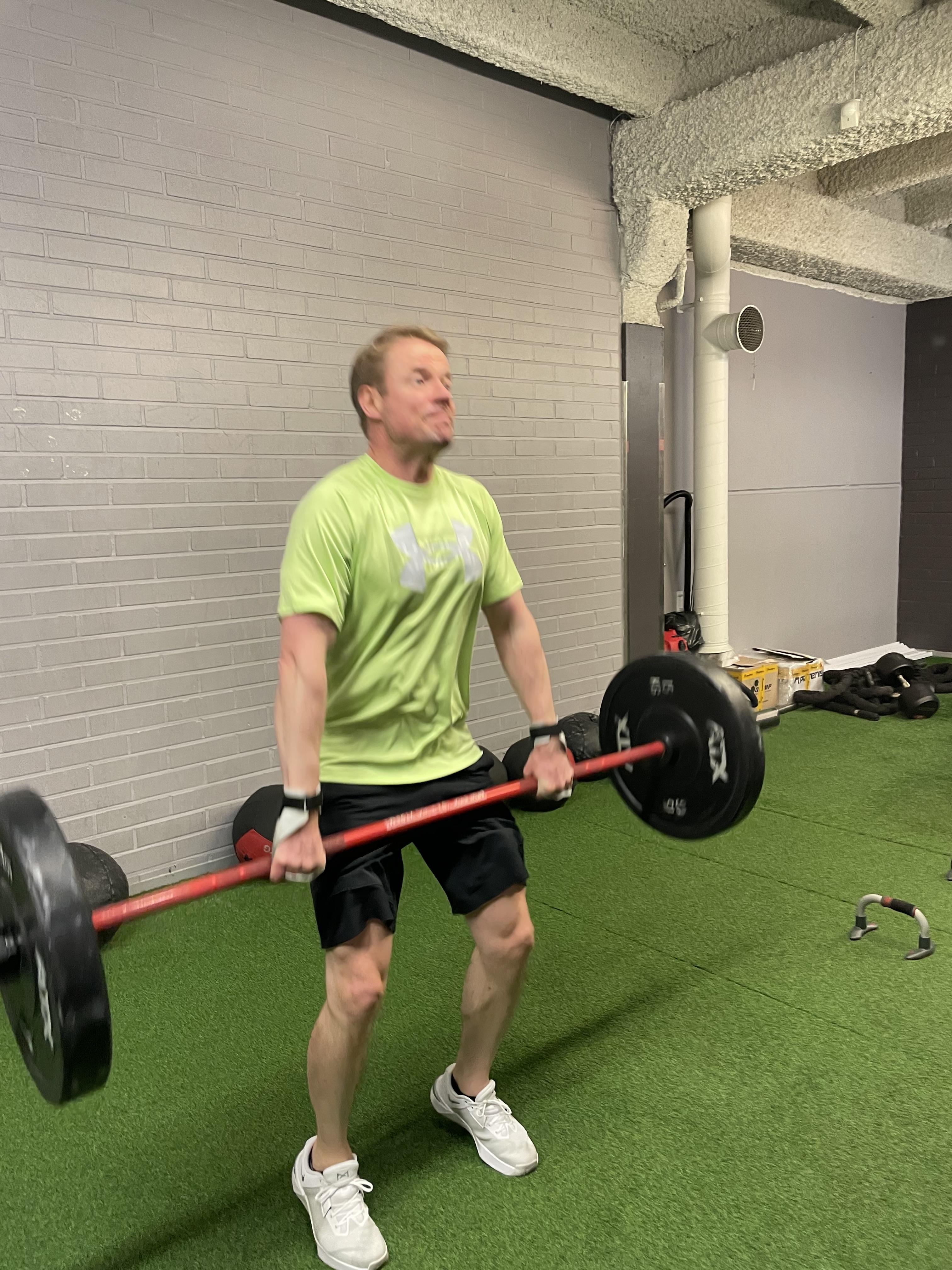
Progressiivinen ylikuormitus on voimaharjoittelun perusta. Se tarkoittaa, että lisäät painoa tai toistoja asteittain. Tämä jatkuva haaste kasvattaa lihasvoimaa ja auttaa kehoa sopeutumaan. Esimerkiksi, jos nostat painoa, joka on 5 kiloa enemmän kuin viimeksi, kehosi vastaa tähän haasteeseen kasvattamalla lihasmassaa ja kestävyyttä. Tärkeää on kuitenkin muistaa, että progressio ei tarkoita vain suurempia painoja. Voit lisätä intensiteettiä myös toistojen tai sarjojen kautta. Moni aliarvioi tämän, mutta se on kriittinen osa pitkäjänteistä kehitystä.
Tekninen valmennus: perusteet kunnossa
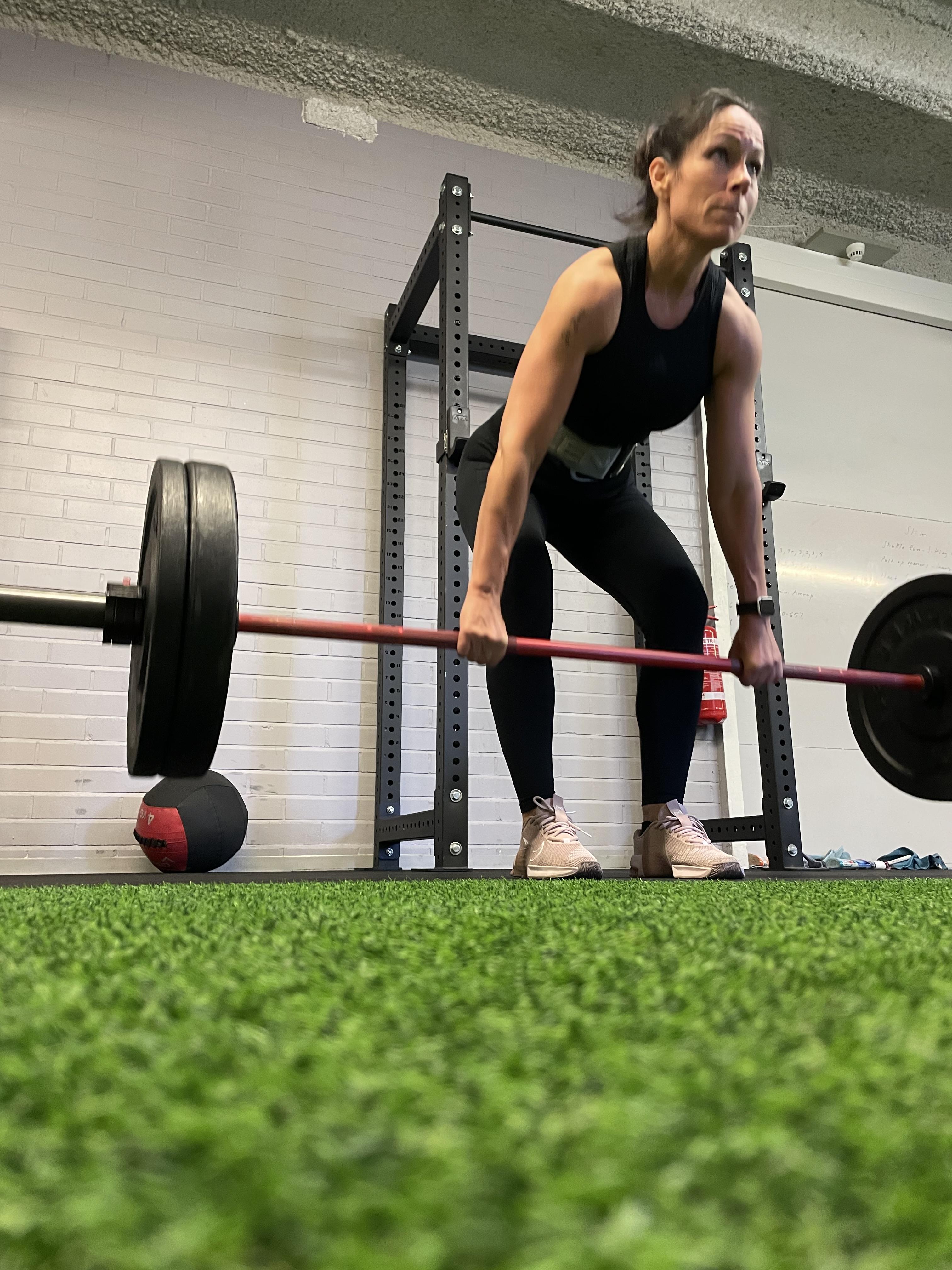
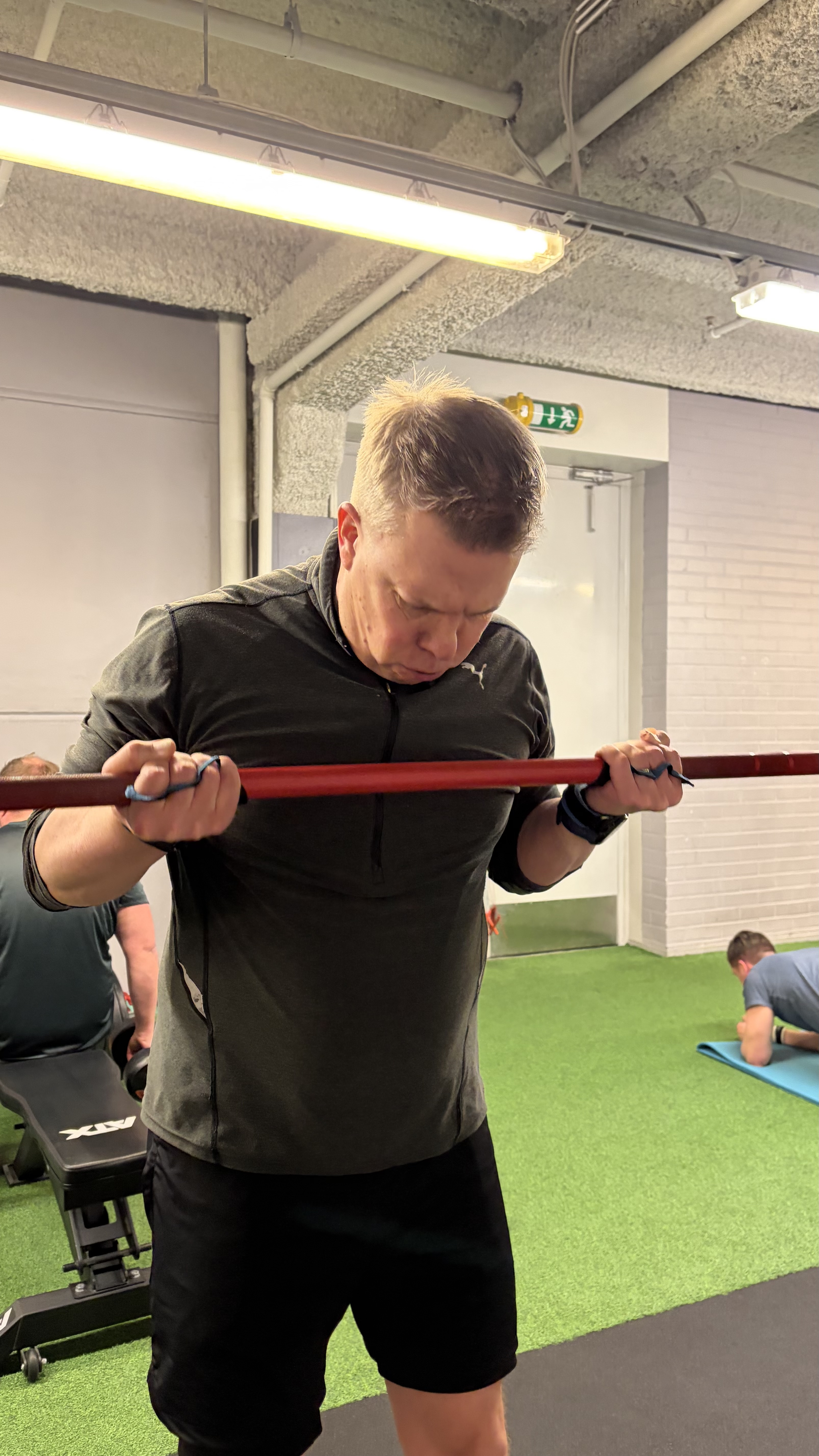
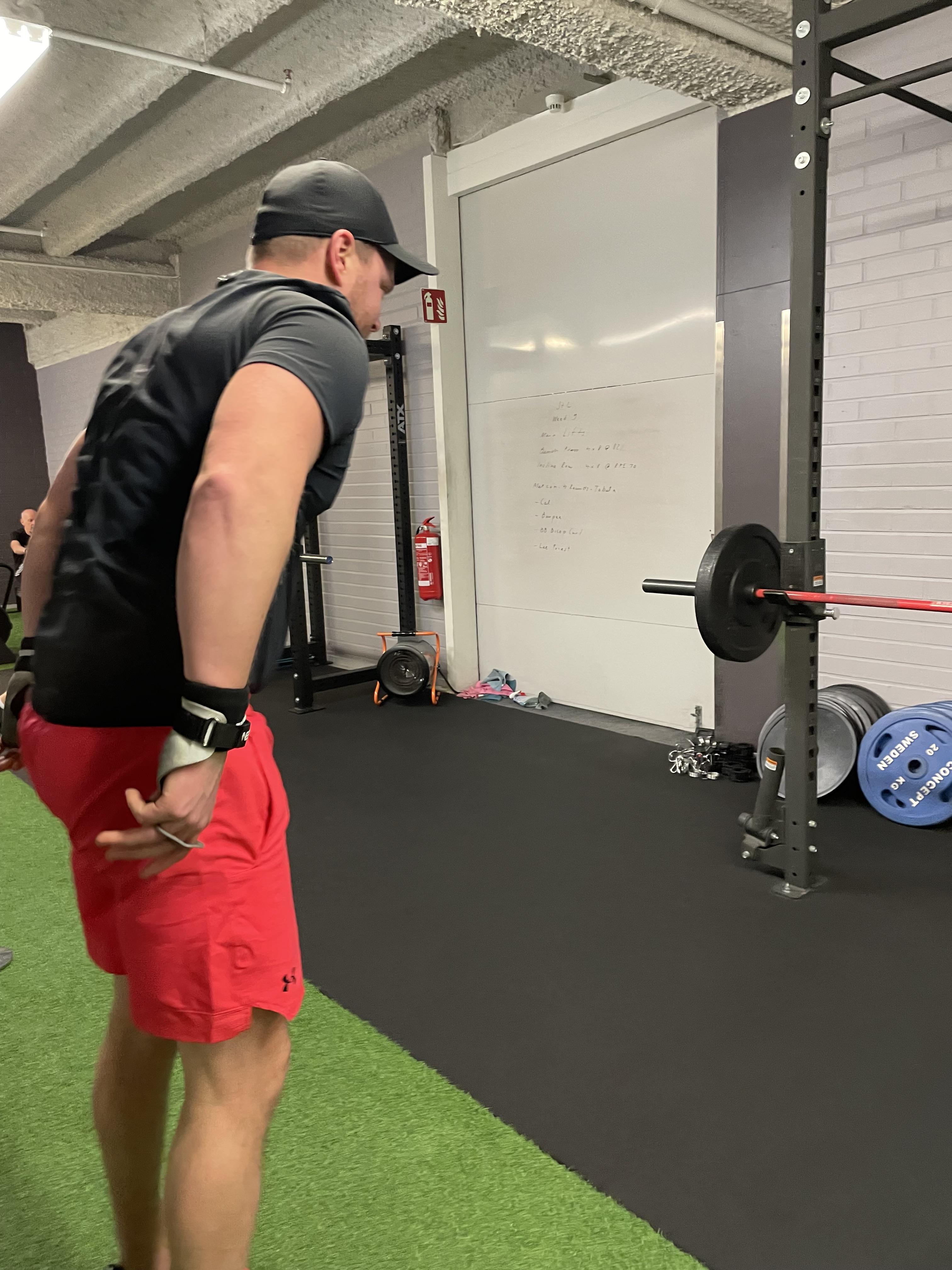
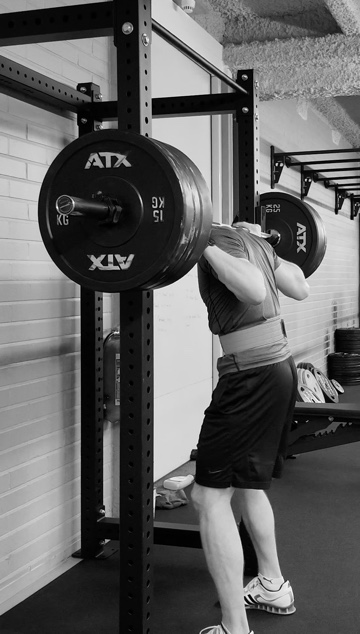
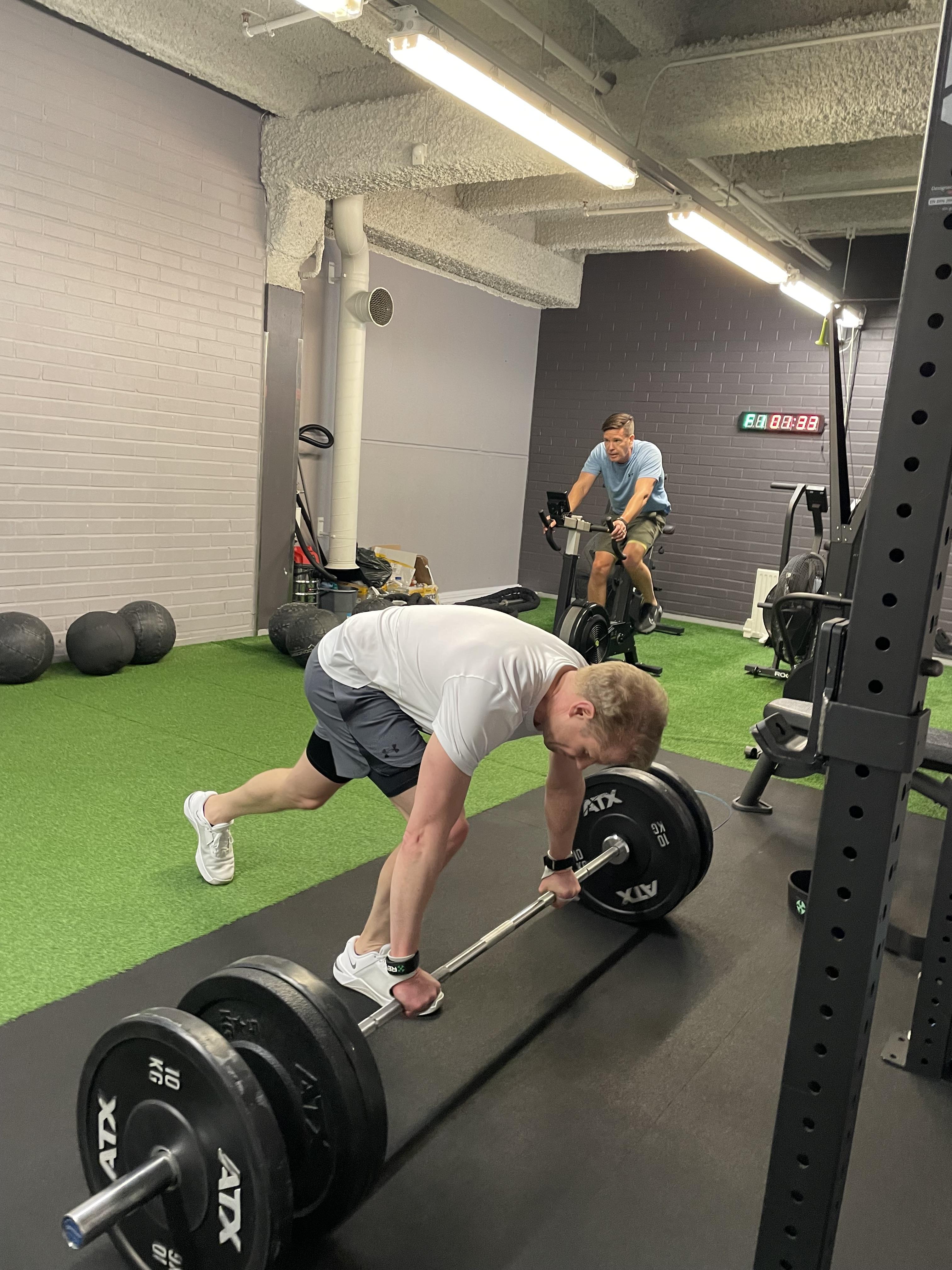
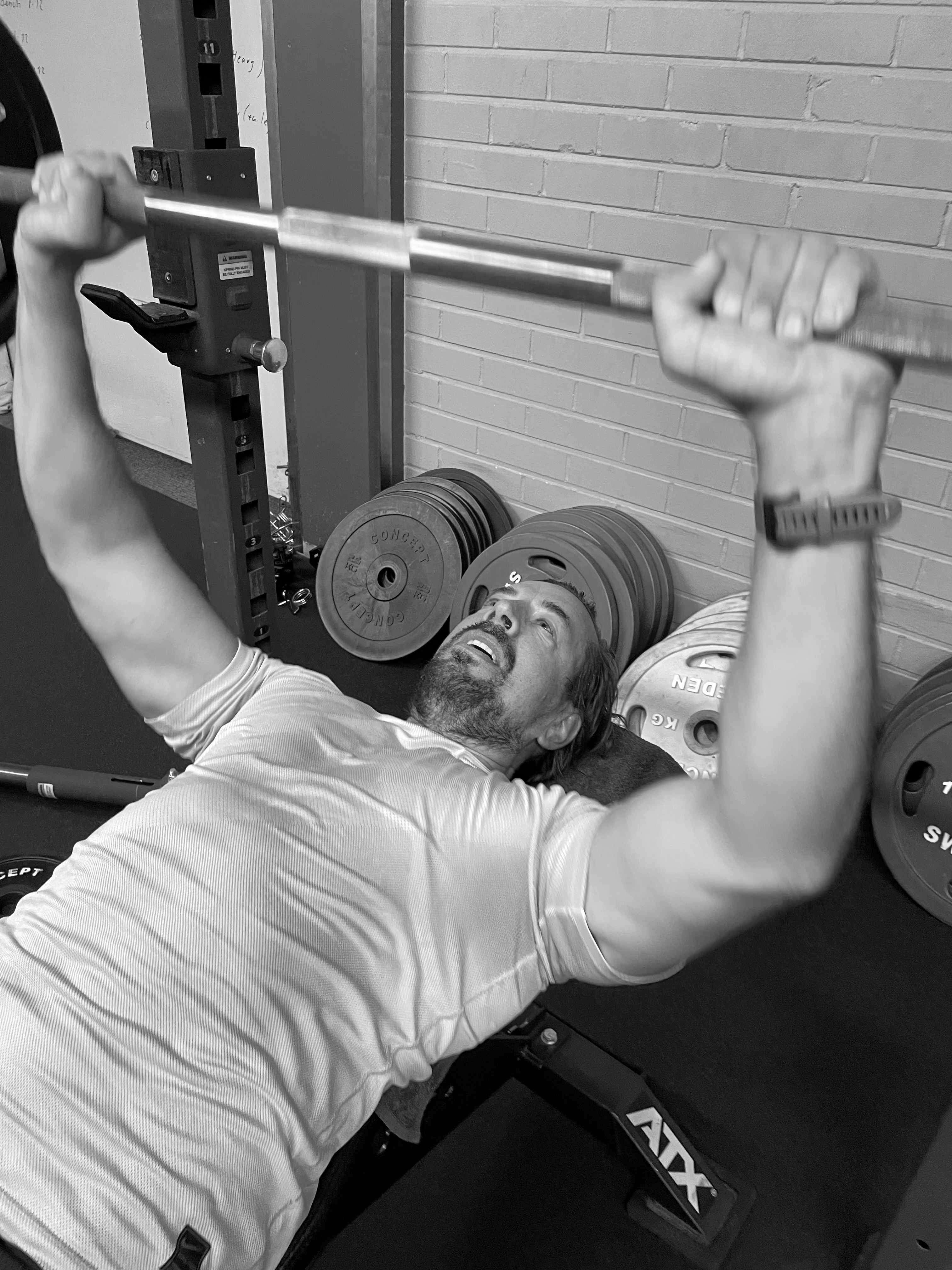
Jokainen liike alkaa tekniikasta. Ilman oikeaa tekniikkaa loukkaantumisriski kasvaa ja kehitys hidastuu. Siksi tekninen valmennus on tärkeää. Hyvä valmentaja opettaa sinut tekemään liikkeet oikein heti alusta lähtien. Tällöin voit keskittyä kehitykseen ilman pelkoa loukkaantumisesta. Tämä on yksi syistä, miksi Physiq House panostaa tekniseen ohjaukseen jokaisessa treenissä. Kun tekniikka on hallussa, voit saavuttaa tuloksia nopeammin ja turvallisemmin.
Pitkäjänteinen kehitys ja sitoutuminen
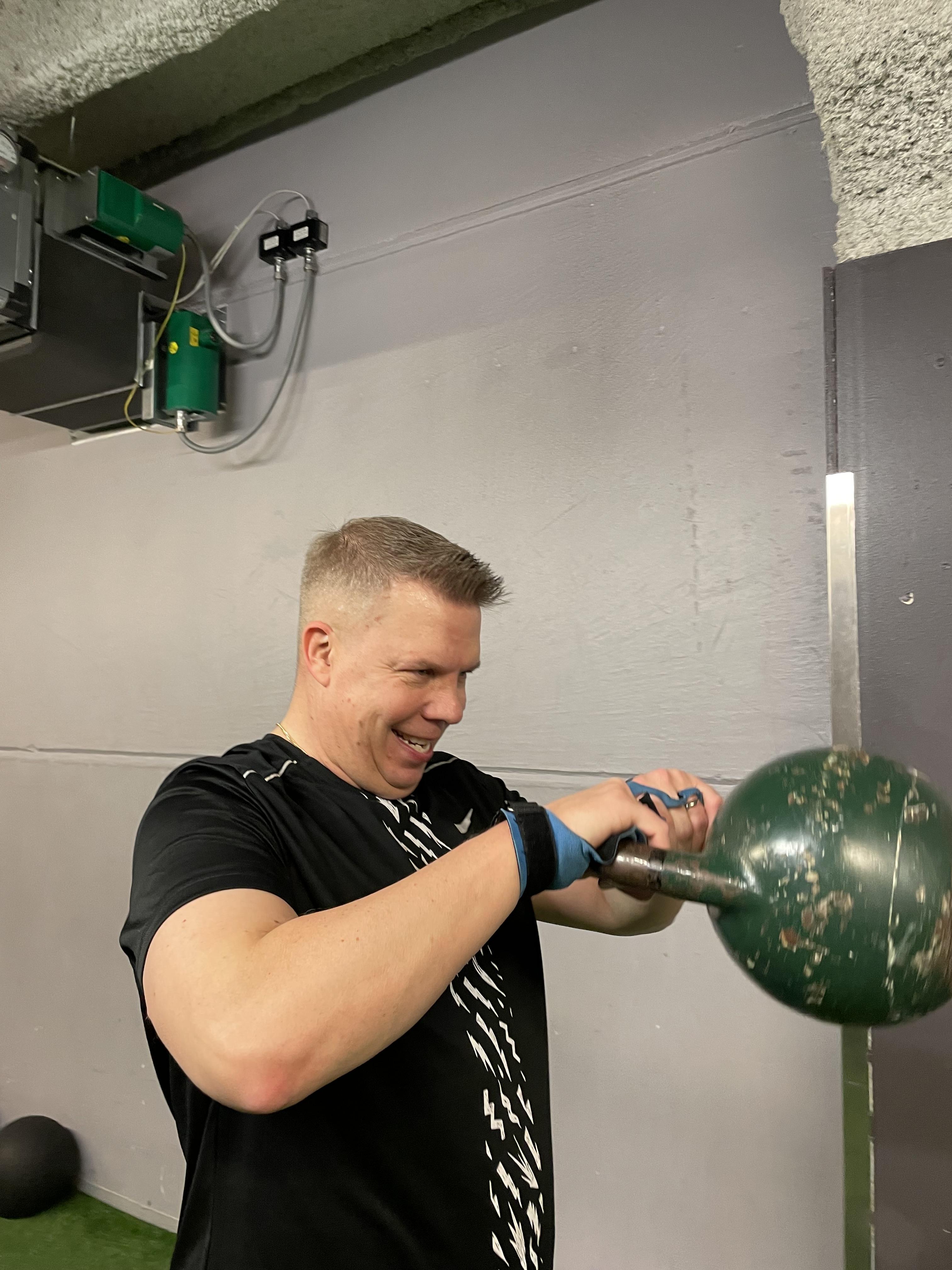
Kun tavoitteena on pitkäaikaiset tulokset, sitoutuminen on avain. Tämä tarkoittaa sitä, että harjoittelu on osa elämääsi, ei vain lyhytaikainen pyrähdys. Physiq House uskoo, että pitkäjänteinen harjoittelu tuo parhaat tulokset. Tämä vaatii aikaa ja kärsivällisyyttä, mutta tulokset ovat sen arvoisia.
Pienryhmävalmennuksen hyödyt
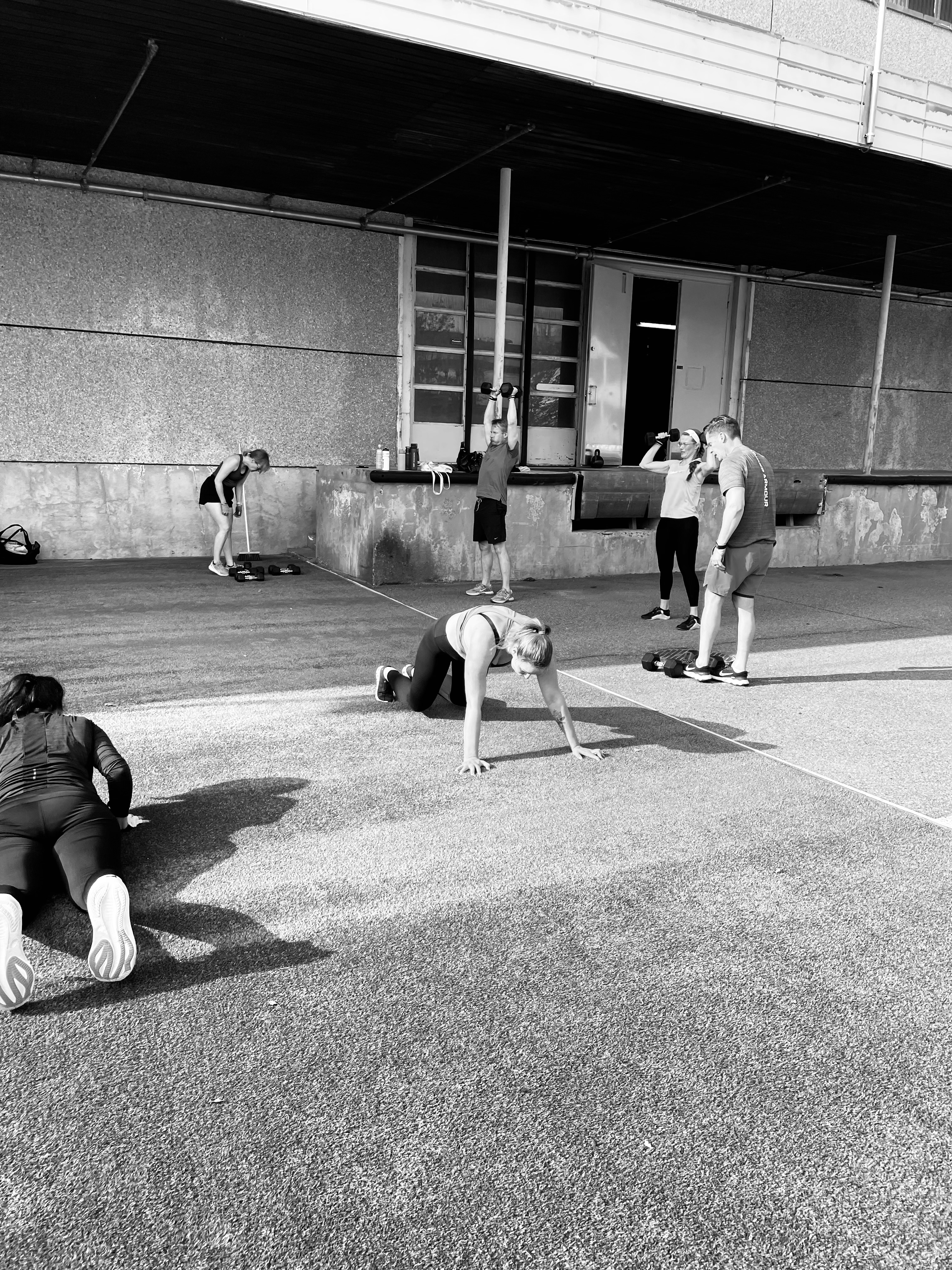
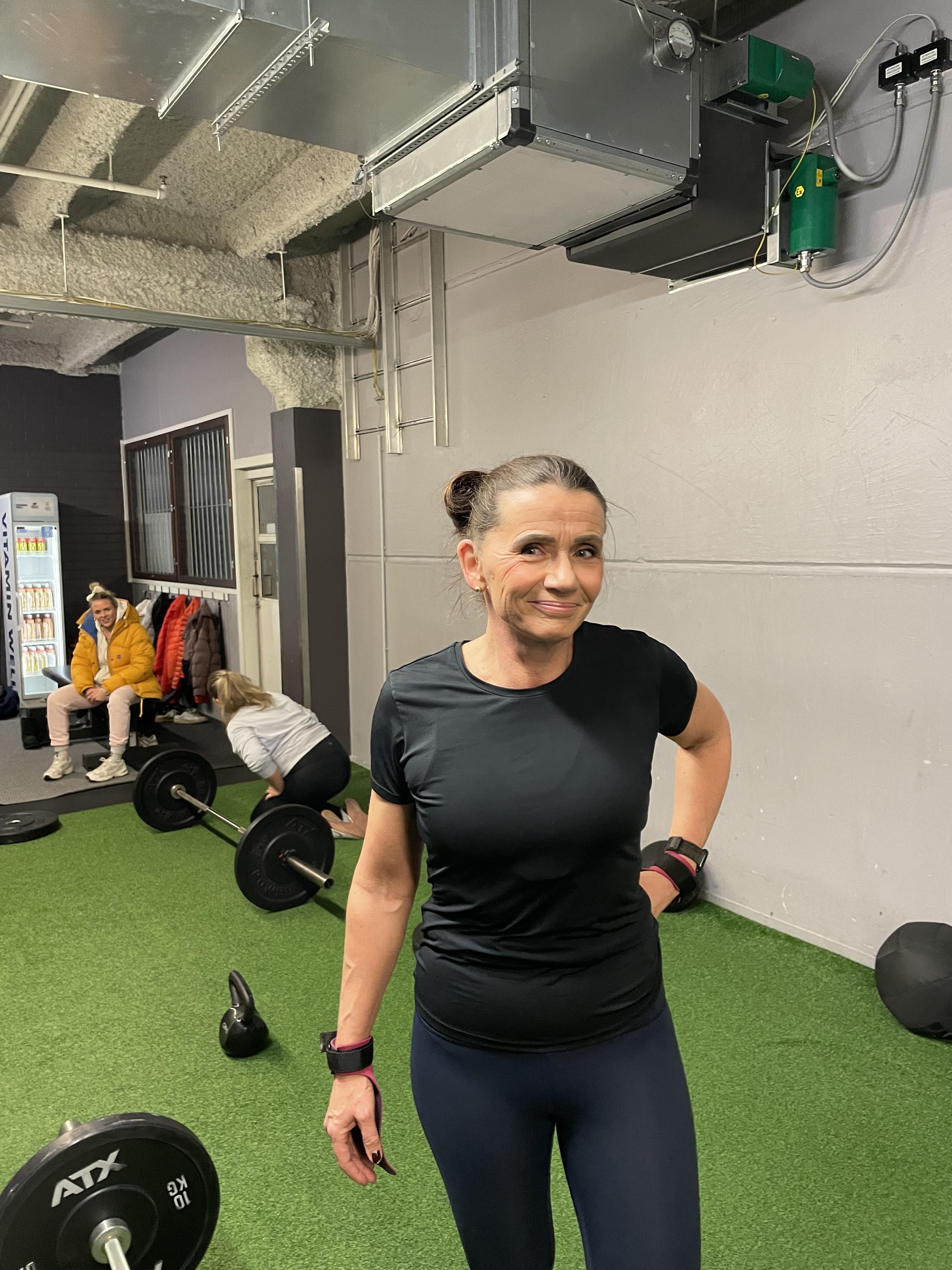
Pienryhmävalmennus tarjoaa yksilöllistä ohjausta ja yhteisöllisyyttä. Kun treenaat pienessä ryhmässä, saat enemmän huomiota valmentajalta. Tämä voi tehdä harjoittelusta tehokkaampaa ja mielekkäämpää. Yhteisö kannustaa ja motivoi sinua, kun tiedät, että et tee tätä yksin. Ryhmä tukee, mutta pitää myös vastuullisena. Tämä on tärkeää, kun tavoitteena on pitkäaikainen kehitys. Yksilöllinen valmennus varmistaa, että harjoitukset sopivat juuri sinulle ja vievät sinua kohti henkilökohtaisia tavoitteitasi.
Voima ja suorituskyky: kestävä treeni
Kestävä treeni ei ole vain fyysistä, vaan myös henkistä kestävyyttä. Rakennat voimaa, joka tukee sinua kaikissa elämäsi osa-alueissa. Tämä tarkoittaa parempaa jaksamista arjessa ja lisääntynyttä itseluottamusta. Harjoittelun kautta opit tuntemaan kehosi paremmin ja tunnistat, mihin se pystyy. Tämä on kriittistä, kun haluat kehittää suorituskykyäsi pitkällä aikavälillä. Se ei ole nopea tie, mutta se on varmasti palkitseva.
Kuormitus, palautuminen ja pitkän aikavälin tulokset
Kuormitus ja palautuminen kulkevat käsi kädessä. Ilman riittävää lepoa keho ei voi kehittyä. Liiallinen treenaaminen ilman asianmukaista palautumista voi johtaa uupumukseen ja loukkaantumisiin. Siksi on tärkeää suunnitella harjoittelu siten, että keholle annetaan aikaa palautua. Tämä optimoi kehityksen ja vähentää loukkaantumisriskiä. Hyvä valmentaja auttaa sinua löytämään tasapainon kuormituksen ja palautumisen välillä. Lue lisää tästä artikkelista.
Pitkäjänteinen kehitys ja sitoutuminen vievät aikaa, mutta ne ovat avain kestäviin tuloksiin. Physiq House tarjoaa ympäristön, jossa voit kasvaa ja kehittyä omassa tahdissasi. Tämä ei ole kaikille, mutta niille, jotka ovat valmiita sitoutumaan, se on paikka, jossa treenaaminen todella merkitsee.