Mobility You Can Use: How It Prevents Injury and Improves Performance
Mobility training isn’t just stretching—it’s about controlled range of motion and end-range control that protects your joints and builds strength. Most programs miss this, leaving you vulnerable to injury and stalled progress. At Physiq House, mobility work is coached and integrated into every session, making it a key part of your long-term performance. If you’re ready to treat mobility with the same seriousness as strength, keep reading. Learn more about mobility and injury prevention.
Importance of Mobility Training
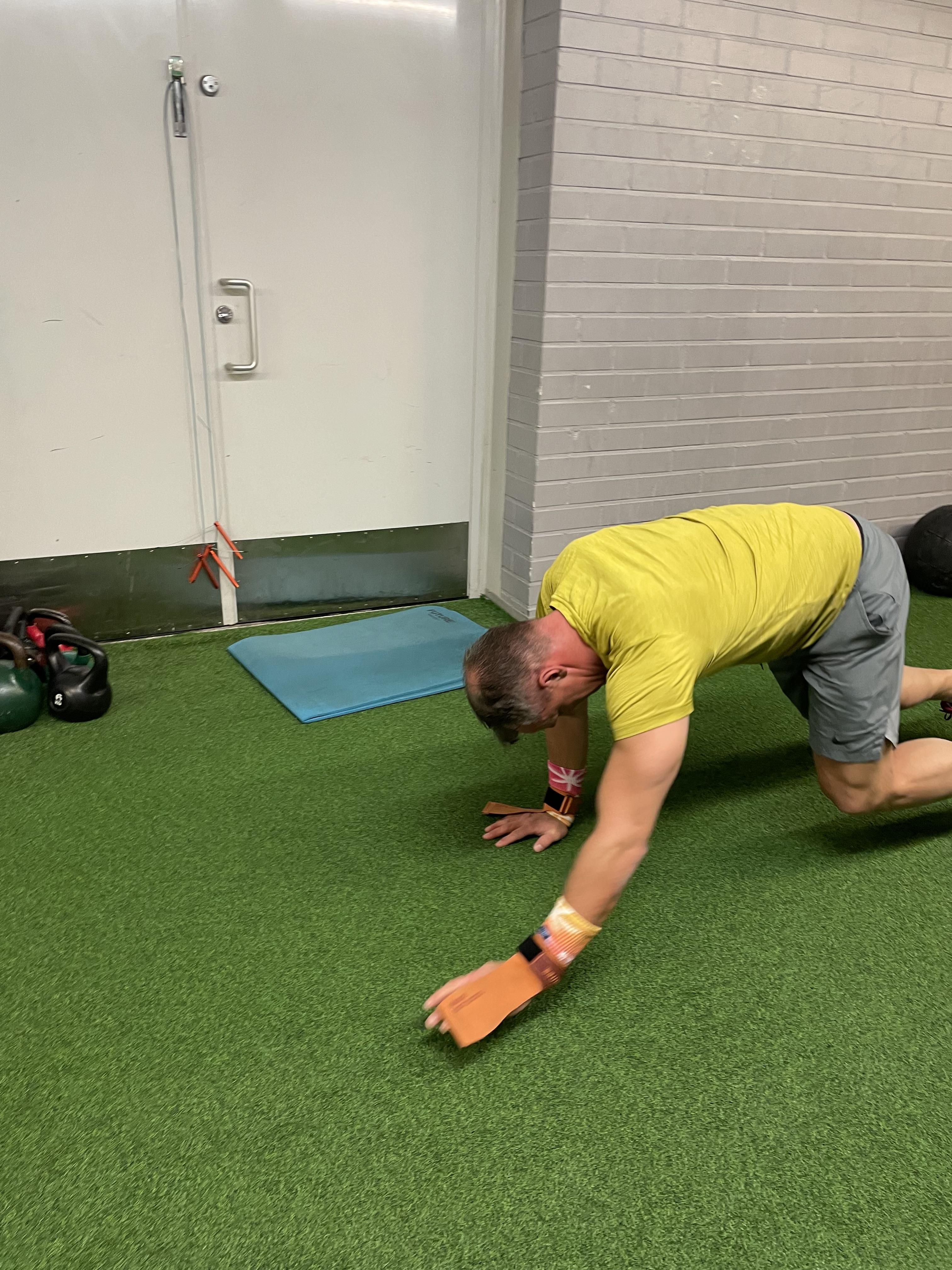
Mobility training is more than a trend; it’s a necessity for anyone serious about their physical development. It’s about unlocking potential and guarding against setbacks.
Reducing Injury Risk
Injuries can halt progress and derail your training. Mobility training acts as a protective shield for your body. When you train mobility, you create a buffer that helps your joints move freely without strain. This reduces the chance of getting hurt during intense workouts or everyday activities. Research shows that regular mobility exercises can significantly lower injury rates by improving movement quality (”The Role of Flexibility and Mobility in Running Injury Prevention”).
By focusing on controlled movements, you teach your muscles to support your joints efficiently. This proactive approach means fewer unexpected injuries and more time doing what you love. Unlike static stretching, mobility involves active movement that prepares your body for any challenge.
Most people think of mobility as just added exercise, but it’s more than that. It’s a key part of a well-rounded fitness plan. When you invest in mobility training, you’re investing in long-term health and performance.
Enhancing Athletic Performance
Mobility isn’t only about avoiding injuries; it’s a game-changer for performance. Enhanced mobility means better athletic performance. Athletes who incorporate mobility work into their routine often find they move more efficiently and with greater precision. This leads to improved performance in sports and training.
Good mobility allows you to perform exercises with correct form, hitting the right muscles. This not only boosts your performance but also maximizes your strength gains. Think of mobility as the foundation that supports your entire athletic journey.
When your joints have the freedom to move as they should, you can push harder and recover faster. This means you can train more effectively and consistently, leading to better results over time. Mobility training is the unsung hero of athletic success, providing the flexibility and strength needed to excel.
Components of Effective Mobility

Understanding what makes mobility effective is crucial. It’s not just about moving more; it’s about moving better.
Controlled Range of Motion
Controlled range of motion is the heart of effective mobility. It ensures that every movement you make is efficient and purposeful. By mastering this, you maintain control over your body in various positions. This control is vital for both safety and performance. When you have a controlled range, you’re less likely to overextend and cause injury.
Incorporating exercises that focus on controlled range can transform your training. You’ll notice improvements in your lifts and daily movements. This isn’t just for athletes; anyone can benefit from increased control over their body’s movements. The goal is to have your muscles and joints work together seamlessly.
As you work on this, you’ll find that your body responds better to the demands you place on it. This results in smoother, more powerful movements that can enhance every aspect of your training.
End-Range Control and Joint Health
End-range control is the ability to maintain strength and stability at the furthest point of a joint’s movement. This aspect of mobility is crucial for joint health and overall performance. When you can control your joints at their end range, you’re less likely to experience discomfort or injury.
Many people overlook end-range control, focusing only on the middle of movements. But the ends are where injuries often occur. By training this control, you protect your joints and ensure they function properly, reducing the risk of issues down the line (”Importance of Stretching and Mobility Exercises for Injury Prevention”).
Investing time in end-range control helps you build resilience. Your joints will thank you, especially during demanding activities. It’s about securing the last link in your movement chain, ensuring you’re strong from start to finish.
Structured Mobility for Strength
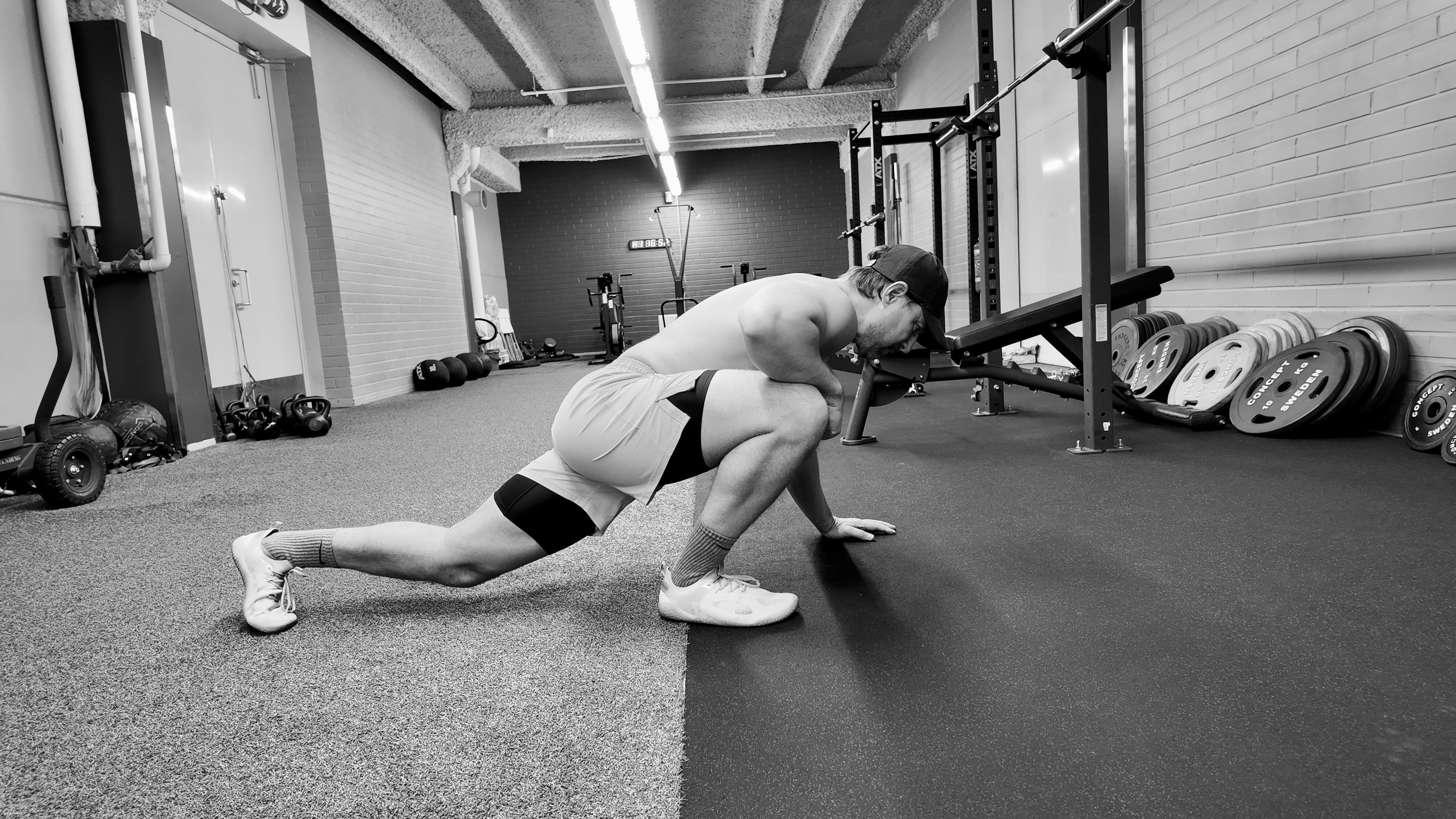
Mobility is a key player in building strength. Without it, strength gains can stall.
Stability and Eccentric Strength
Stability is the backbone of good movement. It allows you to maintain balance and control during exercises. Eccentric strength, the ability to control the lowering phase of a movement, is equally important. Together, they form the foundation for powerful, injury-free training.
Developing stability and eccentric strength requires targeted mobility exercises. These exercises help you maintain control, even when your muscles are under tension. This is essential for effective strength training, where precision and safety are paramount.
By focusing on these aspects, you create a solid base for all your physical activities. This doesn’t just improve your performance; it enhances your overall training experience. Your workouts become more efficient, and your results more consistent.
Dynamic Warm Ups and Tendon Resilience
Dynamic warm-ups are not just a prelude to training; they’re a critical component of building resilient tendons. These warm-ups prepare your body for action, increasing blood flow and flexibility. They also help condition your tendons to withstand stress.
Regularly engaging in dynamic warm-ups can lead to significant improvements in tendon resilience. This means fewer injuries and a stronger, more capable body. It’s a small investment of time with substantial returns for your training longevity.
Think of dynamic warm-ups as the ignition that revs up your engine. They’re essential for anyone serious about athletic performance. By prioritizing them, you’re setting yourself up for success in every session.
In conclusion, mobility training is not just an add-on to your routine—it’s a necessity. It protects, enhances, and complements your strength training, ensuring you’re ready for any challenge. At Physiq House, we believe in the power of mobility to transform your training and your life.